
Education is a complex topic that has been debated for centuries. From Rockefeller to Montessori and even the indigenous tribal ceremonies. However the one thing that has stayed common amongst all of these theories, is the fact that education is necessary for the success and happiness of society.
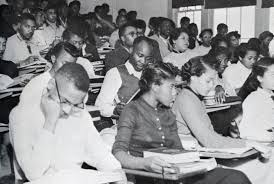
The approaches to this have been debated as colonization of education has increased. The westernized societies have developed a Rockefeller styled education system, manipulated by differing cultures, however in general the model to obtain the information has remained the same throughout the years. This education system has grown and as societies have become richer and bigger over time, they have progressed to bring this system to the developing regions. Due to contradicting cultures this is showing to be a complex issue.
There are debates on whether this is ethical and whether it has been beneficial for the people within these regions. Oftentimes programs and governments spend a designated amount of money to build a school and help finance some education, well this may seem wonderful it has been proven to cause more issues rather than be helpful. UNICEF has created different goals to help with these issues, however oftentimes these fixes don’t address the underlying problems. The problems that have been researched and proven are under-funding, uneducated educators, cognitive dissonance, and assimilation.
It is difficult to say that one culture is better than another, however it is proven that individuality and cultural differentiation helps create connections and build societies. The push for educational conformity in developing nations is proving to be unsuccessful and cause more issues than not.
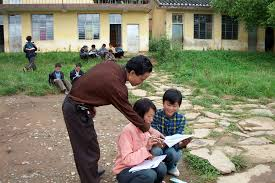
Pierre Bourdieu was a French philosopher that studied this development and expressed the importance of cultural capital. He also expressed the importance of maintaining a habitus education style to truly enable a specific region’s culture. His theories have been debated, tested, and even challenged. Diane Reay, an educational researcher, also believes in the importance of a habitus education, however she believes that the culture that needs to be harnessed and adapted comes from within the students, meaning that before focusing on surrounding and conformity of culture you need to address the needs and wants and even the future of the students.
Important Concepts
Throughout this website I will express the different approaches around the world that have worked and not worked at enabling proper education, I will also express my interpretation of how to truly harness and create educational equity around the world no matter the stage in development of your country.
- Rockefeller education:
- A push for curriculum based education that is meant for the working and industrial class. Schoolbells, structure, and schedules to maintain order.
- Montessori:
- A hands-on learning that harnesses individuality and real world skills.
- Assimilation:
- The lack of ability to maintain a cultural identity as a minor culture is being consumed by a larger culture.
- Cognitive dissonance:
- Inner discomfort by holding two or more contradicting beliefs.
- Colonization of education:
- The push of western society on developing countries, in hopes for a literate workforce.
- Cultural capital:
- Different aspects people obtain within themselves to make them function properly in society. Things like dress, tone, poise, but most importantly, education. Usually stronger and developed better amongst those in higher societies, which is where the equity comes to question.
- Habitus (Pierre Bourdieu):
- The personal developments maintained through childhood upbringing that shape who you are and how you participate in society.
- Habitus (Diane Reay):
- The personal choices maintained through life that shape the society around you.